
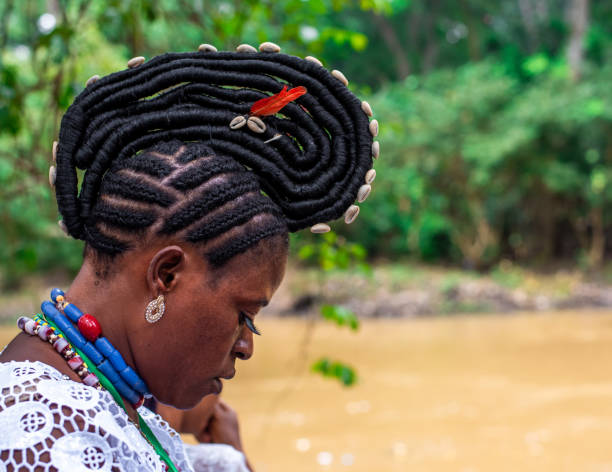
In today’s fast-changing world, learning Yoruba is more valuable than ever. As globalization brings cultures together, people are beginning to appreciate the power of language in shaping identity, communication, and progress. Yoruba, one of Africa’s most widely spoken languages, carries with it a rich heritage, deep wisdom, and cultural pride that remain relevant in modern times.
1. Preservation of Culture and Identity
Learning Yoruba helps individuals stay connected to their roots. Every language carries stories, proverbs, traditions, and beliefs, and Yoruba is no different. By speaking Yoruba, the younger generation preserves cultural practices, strengthens family bonds, and keeps history alive.
2. Enhancing Communication in a Multicultural Society
Millions of people across Nigeria, West Africa, and the diaspora speak Yoruba. Knowing the language improves communication within communities, promotes unity, and helps individuals navigate multicultural spaces with respect and understanding.
3. Expanding Opportunities in Education and Career
Yoruba is increasingly relevant in fields such as linguistics, African studies, translation, media, tourism, and cultural diplomacy. Professionals who speak indigenous languages often have an advantage in local and international roles that require cultural expertise.
4. Promoting Creativity and Expression
The Yoruba language is rich in proverbs, idioms, and poetic expressions. Learning it enhances creativity, helps people express themselves more deeply, and allows writers, musicians, and content creators to tap into a unique cultural archive.
5. Strengthening Cognitive Development
Studies show that learning more than one language boosts memory, problem-solving skills, and overall intelligence. Yoruba, with its tonal nature, sharpens listening and comprehension abilities, giving learners an academic and mental advantage.
6. Building Pride and Confidence
Speaking Yoruba gives people—especially young ones—a sense of pride in their heritage. It helps build confidence, combats cultural erosion, and promotes respect for African identities in a world dominated by foreign languages.
7. Connecting with the Global Yoruba Diaspora
From Brazil to the United States and the Caribbean, Yoruba culture has traveled across the world. Learning the language makes it easier to connect with global Yoruba communities, explore shared traditions, and participate in cultural events and opportunities.
Conclusion
In a modern world where cultural diversity is celebrated, learning Yoruba is not just important—it is empowering. It builds identity, improves communication, enhances cognitive skills, and connects people across continents. Embracing Yoruba today ensures that its beauty, wisdom, and cultural richness continue to shine for generations to come.